


New 01 May 2026
Why Security is a Critical Part of Ecommerce Development Services

Writen by Admin
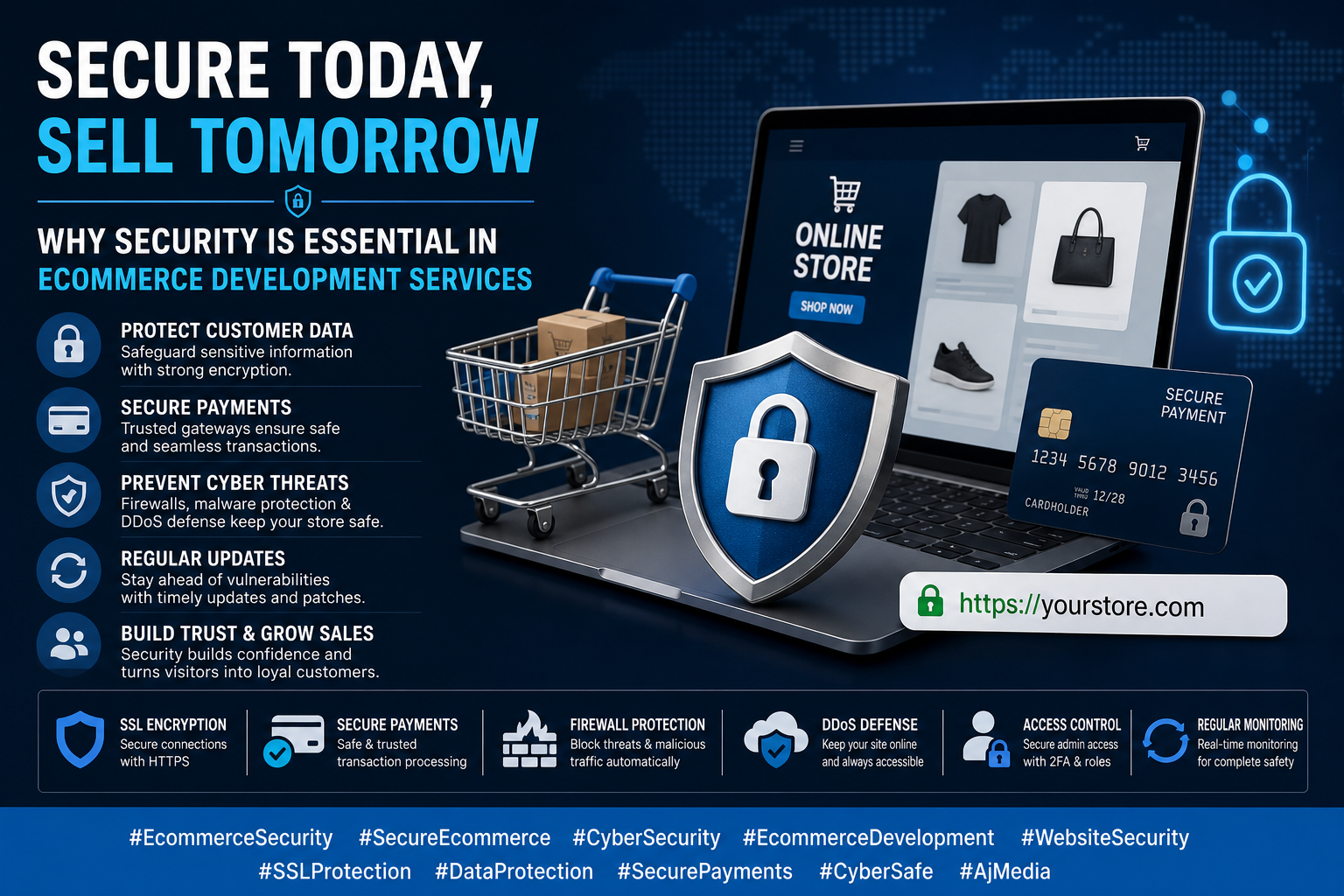
As online shopping continues to grow, ecommerce websites have become prime targets for cyber threats. Customers now share sensitive information such as personal details, addresses, and payment data on online stores. This makes security one of the most important foundations of any ecommerce business.
A single security breach can damage customer trust, disrupt operations, and cause long-term financial loss. That is why modern ecommerce development services place strong emphasis on building secure, reliable, and protected online platforms.
In this blog, we will explore why security matters so much in ecommerce and how professional development services protect businesses and customers.
Why Ecommerce Security Matters
Ecommerce websites handle highly sensitive data every day, including:
- Credit and debit card information
- Personal identification details
- Login credentials
- Purchase history and addresses
If this data is not properly secured, it can be exposed to hackers, leading to fraud, identity theft, and financial loss.
Security is not just a technical requirement—it is a trust factor. Customers will only shop from websites they believe are safe.
How Ecommerce Development Services Strengthen Website Security
1. SSL Encryption (HTTPS Protection)
One of the most basic but essential security measures is SSL encryption.
SSL ensures that:
- Data transferred between user and website is encrypted
- Hackers cannot intercept sensitive information
- Customers see a “secure padlock” in the browser
Websites without SSL are often marked as “Not Secure,” which instantly reduces customer trust.
2. Secure Payment Gateway Integration
Payment security is critical in ecommerce.
Professional ecommerce development services integrate trusted payment systems such as:
- PayPal
- Stripe
- Secure banking gateways
These systems handle transactions in a protected environment, ensuring that card details are never exposed to the ecommerce website itself.
3. Data Encryption and Protection
Beyond payments, all customer data must be protected.
Developers implement:
- Encrypted databases
- Secure APIs
- Protected server communication
This ensures that even if data is accessed, it cannot be read without proper authorization.
4. Firewall and Server Security
Firewalls act as a barrier between your website and malicious traffic.
Ecommerce development services set up:
- Web application firewalls (WAF)
- Server-side protection systems
- IP blocking for suspicious activity
These tools prevent hacking attempts before they reach your website.
Preventing Cyber Attacks in Ecommerce Platforms
1. Protection Against Malware
Malware can damage your website, steal data, or redirect users to harmful pages.
Security-focused development includes:
- Regular malware scanning
- Real-time monitoring tools
- Automatic threat detection
2. Defense Against DDoS Attacks
DDoS (Distributed Denial of Service) attacks can overload a website with fake traffic, causing it to crash.
Ecommerce development services reduce this risk by:
- Using cloud-based protection systems
- Traffic filtering mechanisms
- Load balancing strategies
3. Secure Admin Access Control
Admin panels are often targeted by hackers.
Developers strengthen security by:
- Two-factor authentication (2FA)
- Strong password enforcement
- Limited login attempts
- Role-based access control
This reduces unauthorized access risks.
The Role of Regular Updates in Security
Outdated software is one of the biggest security risks in ecommerce.
Professional development services ensure:
- CMS updates (like Magento, WooCommerce, Shopify)
- Plugin and extension updates
- Security patch installation
- Server upgrades
Regular updates fix vulnerabilities before hackers can exploit them.
How Security Improves Customer Trust and Sales
Security directly impacts how customers behave on your website.
1. Increased Customer Confidence
When users see secure payment systems and SSL protection, they feel safe to shop.
2. Higher Conversion Rates
Trust leads to action. Secure websites convert more visitors into paying customers.
3. Reduced Cart Abandonment
Customers are less likely to abandon carts when they trust the checkout process.
4. Strong Brand Reputation
A secure ecommerce store builds long-term credibility and brand loyalty.
SEO Benefits of a Secure Ecommerce Website
Security is also an important ranking factor in search engines.
Google prefers:
- HTTPS-enabled websites
- Safe browsing environments
- Trustworthy domains
A secure website built through professional ecommerce development services helps improve:
- Search rankings
- Organic traffic
- User engagement
Security and SEO together create a stronger digital presence.
Common Security Mistakes in Ecommerce Websites
Many online stores fail due to avoidable security issues:
1. No SSL Certificate
This makes websites look unsafe and untrustworthy.
2. Weak Password Systems
Simple passwords make accounts easy to hack.
3. Outdated Plugins and Software
Old systems contain security vulnerabilities.
4. Poor Hosting Security
Cheap or unprotected hosting increases risk exposure.
Best Practices for Ecommerce Security
To maintain a secure ecommerce platform, businesses should:
- Regularly update software
- Use strong encryption methods
- Monitor website activity
- Backup data frequently
- Conduct security audits
These practices, combined with professional ecommerce development services, create a strong defense system.
Why Choose AjMedia.ae for Secure Ecommerce Development Services
A trusted provider like AjMedia.ae ensures that security is built into every stage of development.
Their security-focused approach includes:
- SSL and HTTPS implementation
- Secure payment integration
- Firewall and malware protection
- Regular updates and monitoring
- Advanced data protection systems
This helps businesses run safe and reliable ecommerce platforms that customers can trust.