


New 05 May 2026
How Ecom Website Development Drives Online Sales and Business Growth

Writen by Admin
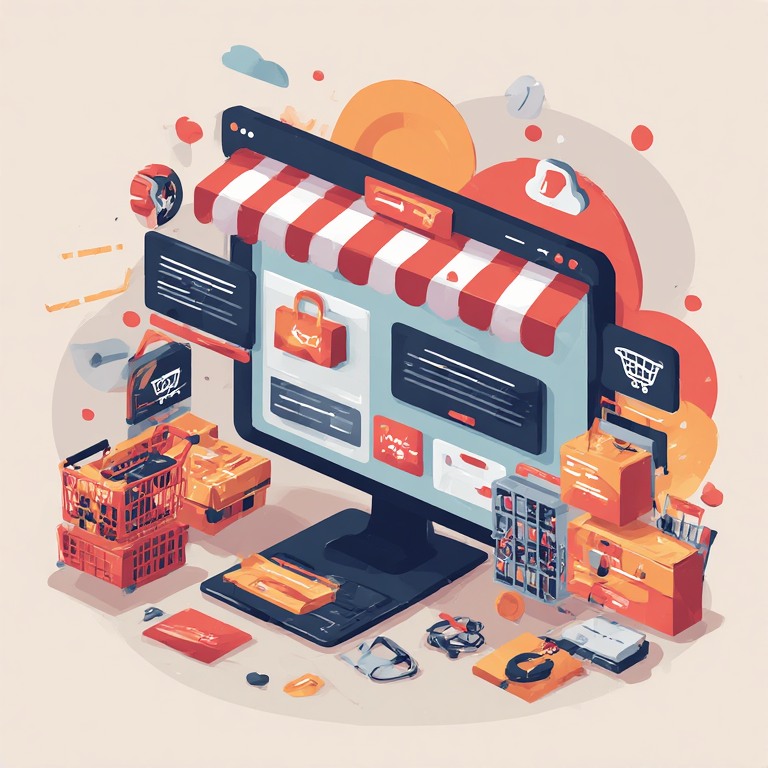
In the competitive digital marketplace, simply having an online store is not enough. To truly succeed, businesses must focus on creating a high-performing, user-centric platform that converts visitors into customers. This is where ecom website development plays a vital role.
A well-developed ecommerce website does more than showcase products—it creates an engaging shopping experience, builds trust, and drives consistent sales. In this blog, we explore how ecom website development directly impacts business growth and what strategies can help maximize results.
The Connection Between Website Development and Sales
Your ecommerce website acts as your digital storefront. Just like a physical store, its layout, functionality, and overall experience influence customer decisions.
Effective ecom website development ensures:
- Smooth navigation
- Fast loading speeds
- Clear product presentation
- Secure checkout processes
When these elements are optimized, customers are more likely to stay longer, explore products, and complete purchases.
A poorly developed website, on the other hand, can result in high bounce rates and lost revenue opportunities.
Key Elements That Boost Conversions
1. Optimized Product Pages
Product pages are the heart of any ecommerce website. They must provide all the necessary information while remaining visually appealing and easy to navigate.
Important features include:
- High-quality images
- Detailed descriptions
- Customer reviews
- Clear pricing and availability
- Strong call-to-action buttons
Well-optimized product pages help customers make informed decisions quickly, increasing the chances of conversion.
2. Seamless Checkout Experience
A complicated checkout process is one of the leading causes of cart abandonment. Ecom website development should focus on simplifying this step as much as possible.
Best practices include:
- Guest checkout options
- Minimal form fields
- Multiple payment methods
- Transparent pricing (including shipping costs)
A smooth checkout process reduces friction and encourages customers to complete their purchases.
3. Mobile-First Development
With mobile commerce growing rapidly, adopting a mobile-first approach is essential. Ecom website development must prioritize mobile usability to capture a larger audience.
Benefits of mobile-first design include:
- Improved user experience
- Higher search engine rankings
- Increased engagement
- Better conversion rates
Ignoring mobile optimization can significantly limit your growth potential.
Building Trust Through Website Development
Trust is a key factor in online purchasing decisions. Customers need to feel confident that their data is secure and that they are dealing with a reliable business.
Ecom website development helps build trust through:
- Secure HTTPS connections
- Visible trust badges
- Clear return and refund policies
- Professional design and branding
A trustworthy website encourages repeat purchases and long-term customer relationships.
The Role of Speed and Performance
Website speed is a critical factor in both user experience and SEO. Studies show that even a one-second delay in page load time can lead to a significant drop in conversions.
To ensure optimal performance, ecom website development should include:
- Optimized images and media
- Efficient coding practices
- Reliable hosting services
- Use of caching and CDNs
A fast website keeps users engaged and reduces bounce rates, ultimately increasing sales.
SEO Integration in Ecom Website Development
Search engine visibility is essential for driving organic traffic. Without proper SEO, even the best ecommerce websites may struggle to attract visitors.
Key SEO strategies include:
- Keyword optimization (including “ecom website development”)
- Meta titles and descriptions
- Structured data for products
- Internal linking
- Mobile optimization
By integrating SEO into the development process, businesses can improve their rankings and reach a wider audience.
Personalization and User Experience
Modern consumers expect personalized experiences when shopping online. Ecom website development can incorporate personalization features to enhance engagement.
Examples include:
- Product recommendations
- Personalized offers
- Recently viewed items
- Customized content
Personalization not only improves user experience but also increases the likelihood of repeat purchases.
Scalability for Business Growth
As your business grows, your ecommerce website must be able to handle increased traffic and product listings. Scalability is a crucial aspect of ecom website development.
A scalable website allows you to:
- Add new products بسهولة
- Handle high traffic volumes
- Integrate new features
- Expand into new markets
Planning for scalability ensures long-term success and prevents the need for costly redesigns.
Common Challenges in Ecom Website Development
While the benefits are clear, businesses often face challenges during development:
- Choosing the right platform
- Balancing cost and quality
- Ensuring security compliance
- Managing integrations (payment gateways, shipping systems)
Working with experienced developers can help overcome these challenges and deliver a high-performing website.
Future-Proofing Your Ecommerce Website
Technology is constantly evolving, and businesses must stay ahead of the curve to remain competitive.
Future-focused ecom website development includes:
- AI-powered chatbots
- Voice search compatibility
- Advanced analytics tools
- Integration with social commerce platforms
Adopting these innovations can help businesses stay relevant and continue growing.